Understanding different romantic orientations has become increasingly important in today’s digital world.
If you’ve searched for lithromantic meaning, you’re not alone.
The term has gained popularity across platforms like TikTok, Reddit, Tumblr, and LGBTQ+ discussion forums as more people explore and discuss romantic identities.
In this guide, we’ll explain the meaning of lithromantic in simple language, provide examples, discuss common misconceptions, and show how the term is used in online conversations.
Updated for 2026, this article offers everything you need to know.
What Does Lithromantic Mean? (Definition & Origin)
Definition of Lithromantic
Lithromantic is a romantic orientation describing someone who may experience romantic attraction toward others but does not want those feelings to be reciprocated or may lose romantic interest once the attraction is returned.
In simpler terms:
- A lithromantic person can develop a crush.
- They may enjoy admiring someone from afar.
- They often feel uncomfortable when the other person develops romantic feelings back.
- Their romantic attraction may fade if the relationship becomes mutual.
The term is part of the broader aromantic spectrum and helps describe experiences that don’t fit traditional ideas of romance.
Origin of the Term
The word “lithromantic” emerged within online aromantic communities to describe a specific romantic experience. Over time, it became more widely recognized through LGBTQ+ education, social media discussions, and identity-focused communities.
Today, the term is commonly used in:
- Online forums
- Social media platforms
- Identity discussions
- LGBTQ+ communities
- Educational resources about romantic orientations
Understanding Lithromantic Meaning in Everyday Life
Many people assume romantic attraction automatically means wanting a relationship. However, human emotions are often more complex.
Someone who is lithromantic might:
- Enjoy having crushes.
- Like imagining romantic scenarios.
- Appreciate romantic stories and movies.
- Feel excitement about attraction itself.
- Not want the attraction to become a real relationship.
For example:
Imagine having a crush on a classmate. You enjoy thinking about them and get excited when you see them. But if they suddenly confess their feelings, your romantic interest disappears.
For some lithromantic individuals, this experience can feel familiar.
Signs You Might Relate to the Lithromantic Experience
It’s important to remember that only individuals can determine how they identify. However, some common experiences include:
1. Enjoying Crushes More Than Relationships
A person may love having romantic feelings but lose interest once dating becomes possible.
2. Feeling Comfortable With One-Sided Attraction
They may prefer admiration from a distance rather than mutual romance.
3. Losing Interest After Confession
When the other person returns the romantic feelings, attraction may fade or disappear.
4. Preferring Fantasy Over Reality
Romantic daydreams may feel more enjoyable than actual romantic involvement.
5. Feeling Confused by Traditional Dating Expectations
They might wonder why relationships feel different from the crushes they imagined.
Not every lithromantic person experiences all of these signs, but they are frequently discussed within aromantic-spectrum communities.
How to Use Lithromantic in Texts or Chat
The term is commonly used in online conversations, social media bios, and identity discussions.
Common Chat Examples
- “I recently learned I’m lithromantic.”
- “My crushes always disappear when they like me back. I think I might be lithromantic.”
- “The lithromantic meaning describes my experience perfectly.”
Social Media Usage
You may see posts such as:
“After years of confusion, I discovered the lithromantic label and finally understood my feelings.”
Or:
“Being lithromantic means I enjoy crushes but don’t always want relationships.”
Online Community Discussions
People often use the term when discussing:
- Romantic orientation
- Dating experiences
- Identity exploration
- Aromantic-spectrum topics
- Personal self-discovery
Examples of Lithromantic in Conversations
Example 1: Friends Chatting
Alex: I always lose interest when someone likes me back.
Jordan: Really?
Alex: Yeah, I enjoy the crush itself more than dating.
Jordan: You might want to look into the lithromantic meaning.
Example 2: Social Media Post
User: Why do I love having crushes but panic when they’re interested?
Reply: A lot of people with lithromantic experiences describe that feeling.
Example 3: Online Forum
Poster: Is it normal to stop liking someone after they confess?
Commenter: It can happen for many reasons, but some lithromantic people experience that too.
Example 4: Funny Scenario
You spend six months dreaming about your crush.
They finally text:
Crush: “I’ve liked you for a long time.”
Your brain:
“Mission accomplished. Attraction terminated.”
While humorous, many people use jokes like this to describe lithromantic experiences.
Common Mistakes and Misunderstandings
The growing popularity of the term has also led to confusion.
Mistake #1: Assuming Lithromantic Means Fear of Commitment
Not necessarily.
Fear of commitment is a relationship concern, while lithromantic is a romantic orientation describing how attraction may be experienced.
Mistake #2: Thinking It’s Just Shyness
A shy person may still want a mutual relationship.
Lithromantic experiences involve attraction itself, not simply social anxiety.
Mistake #3: Believing It Happens to Everyone
Many people experience occasional crushes that fade. Lithromanticity typically refers to a recurring pattern that feels meaningful to the individual.
Mistake #4: Assuming Lithromantic People Cannot Love
This is false.
People who identify as lithromantic can experience deep emotional connections, affection, and care for others. Romantic attraction works differently, but that doesn’t mean they lack meaningful relationships.
Lithromantic vs Other Romantic Orientations
Understanding related terms can help clarify the lithromantic meaning.
Lithromantic vs Aromantic
Aromantic:
- Experiences little or no romantic attraction.
Lithromantic:
- Experiences romantic attraction.
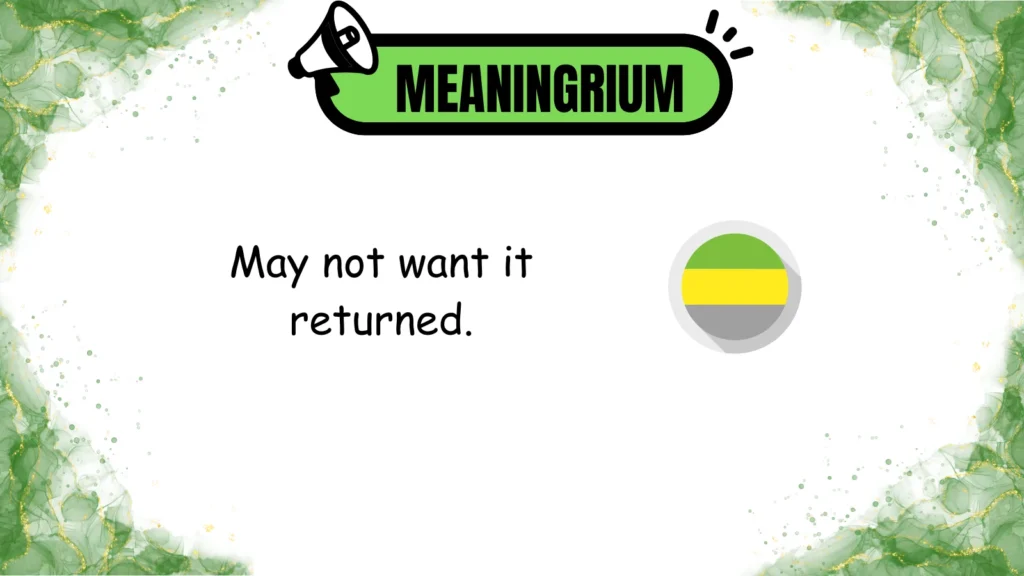
- May not want it returned.
- Attraction may fade if reciprocated.
Lithromantic vs Demiromantic
Demiromantic:
- Romantic attraction develops after a strong emotional bond.
Lithromantic:
- Attraction can occur without a strong bond.
- The key difference involves reciprocation and attraction patterns.
Lithromantic vs Typical Romantic Attraction
Most people experiencing romantic attraction hope it becomes mutual.
Lithromantic individuals may not desire that outcome or may lose attraction when it happens.
Why the Term Has Become More Popular Online
Over the past several years, conversations about identity have expanded significantly.
People increasingly use online spaces to understand experiences that traditional relationship advice doesn’t always explain.
Popular platforms where the term appears include:
- TikTok
- Tumblr
- Discord communities
- LGBTQ+ forums
- Identity-focused blogs
The internet has made it easier for people to discover labels that resonate with their personal experiences.
Related Slangs, Terms, and Abbreviations
If you’re researching lithromantic meaning, you may also encounter these related terms:
Aromantic (Aro)
Someone who experiences little or no romantic attraction.
Asexual (Ace)
Someone who experiences little or no sexual attraction.
Demiromantic
Experiences romantic attraction after a strong emotional connection.
Grayromantic
Experiences romantic attraction rarely or under specific circumstances.
Queerplatonic Relationship (QPR)
A committed relationship that doesn’t fit traditional romantic categories.
Aroace
Someone who identifies as both aromantic and asexual.
Squish
A strong desire for friendship rather than romance.
Crush
Romantic attraction toward another person.
How to Respect Someone Who Identifies as Lithromantic
If someone shares this identity with you:
- Listen without judgment.
- Avoid assumptions about their relationships.
- Respect their boundaries.
- Understand that experiences vary.
- Let them define their own feelings.
Like any identity, individual experiences differ from person to person.
Why Understanding Lithromantic Meaning Matters
Learning about terms like lithromantic helps create better communication and understanding.
Benefits include:
- Increased self-awareness
- Better conversations about relationships
- More inclusive communities
- Reduced confusion about romantic experiences
- Greater respect for diverse identities
Even if the term doesn’t apply to you personally, understanding it can help you support friends and participate in discussions more thoughtfully.
Frequently Asked Questions (FAQs)
1. What does lithromantic mean?
Lithromantic refers to experiencing romantic attraction but not wanting those feelings reciprocated, or losing attraction once they are returned.
2. Is lithromantic part of the aromantic spectrum?
Yes. Lithromantic is generally considered part of the broader aromantic spectrum.
3. Can a lithromantic person have a relationship?
Yes. Some lithromantic individuals choose to pursue relationships, while others may not.
4. Is lithromantic the same as being shy?
No. Shyness relates to social comfort, while lithromantic describes a pattern of romantic attraction.
5. Can someone be both lithromantic and asexual?
Yes. Romantic and sexual orientations are separate experiences.
6. Is lithromantic a real identity?
Yes. It is a recognized term used within aromantic-spectrum and LGBTQ+ communities.
7. Where is the term most commonly used?
It frequently appears on social media, forums, blogs, and identity-focused communities.
8. Can attraction change over time?
Yes. Some people find that their understanding of their romantic orientation evolves throughout life.
Conclusion
Understanding the lithromantic meaning can help explain experiences that don’t fit traditional expectations about romance.
A lithromantic person may experience genuine romantic attraction while not wanting it returned or finding that attraction fades when it becomes mutual.
Updated for 2026, we hope this guide answered your questions about lithromantic meaning, examples, and real-world usage.