Have you ever come across the term erosion in school, news articles, environmental discussions, or social media and wondered what it actually means?
Understanding the erosion meaning is important because it helps explain how landscapes change over time and why certain environmental issues, such as soil loss and coastline damage, occur.
In today’s world, where climate change and environmental conservation are frequently discussed online, the word erosion appears more often than ever.
Whether you’re a student, a researcher, or simply curious about nature, learning the meaning of erosion can help you better understand how natural forces shape our planet.
Updated for 2026, this guide explains the definition of erosion, its origin, examples, causes, common misunderstandings, and related environmental terms in a simple and easy-to-understand way.
What Does Erosion Mean? (Definition & Origin)
Definition of Erosion
Erosion is the process by which natural forces such as water, wind, ice, or gravity wear away and transport soil, rocks, and other materials from one place to another.
In simple terms:
Erosion means the gradual removal and movement of earth materials by natural elements.
For example:
- A river slowly wearing away its banks
- Strong winds carrying sand across a desert
- Ocean waves removing parts of a coastline
These are all examples of erosion in action.
Origin of the Word Erosion
The word erosion comes from the Latin word erosio, which means “a gnawing away” or “wearing away.”
Over time, the term became widely used in geology, environmental science, and geography to describe the natural process of landscape change.
Quick Definition
Erosion Meaning:
The gradual wearing away and transportation of soil, rock, or land by natural forces such as water, wind, ice, or gravity.
Why Is Erosion Important?
Erosion plays a major role in shaping Earth’s surface.
Without erosion:
- Mountains would remain unchanged.
- River valleys would not form.
- Beaches and coastlines would look very different.
However, excessive erosion can create serious environmental problems, including:
- Loss of fertile farmland
- Increased flooding
- Landslides
- Damage to ecosystems
- Coastal destruction
This is why erosion is a major topic in environmental science and conservation efforts.
Types of Erosion
Water Erosion
Water erosion occurs when rain, rivers, streams, or ocean waves remove soil and rock.
Examples include:
- Riverbank erosion
- Coastal erosion
- Rainwater washing away topsoil
Water erosion is one of the most common forms of erosion worldwide.
Wind Erosion
Wind erosion happens when strong winds pick up and move soil or sand particles.
Common in:
- Deserts
- Dry farmland
- Areas with little vegetation
Example:
A dust storm carrying soil across long distances.
Ice Erosion
Glaciers can slowly scrape and carve the land beneath them.
This type of erosion creates:
- Valleys
- Fjords
- Mountain features
Many famous landscapes were shaped by glacier erosion thousands of years ago.
Gravity Erosion
Gravity can pull rocks, soil, and debris downhill.
Examples include:
- Landslides
- Rockfalls
- Mudslides
These events can happen suddenly and dramatically alter landscapes.
How to Use “Erosion” in Everyday Language
Although erosion is mainly a scientific term, it is often used in everyday conversations and writing.
Examples
- “Heavy rain caused severe erosion along the riverbank.”
- “The coastline is experiencing erosion due to rising sea levels.”
- “Farmers are planting trees to prevent soil erosion.”
- “Years of erosion shaped the canyon into its current form.”
Figurative Uses
People sometimes use erosion metaphorically.
Examples:
- “The erosion of trust damaged the relationship.”
- “There has been an erosion of public confidence.”
In these cases, erosion means a gradual decline or weakening rather than physical land loss.
Examples of Erosion in Real Life
Example 1: Beach Erosion
Imagine visiting a beach every summer.
Over several years, you notice:
- Less sand
- Smaller shoreline
- More exposed rocks
This is often the result of coastal erosion caused by waves and storms.
Example 2: Riverbank Erosion
A river continuously flows against its banks.
Over time:
- Soil washes away
- Trees may fall into the river
- The river changes shape
This is a classic example of water erosion.
Example 3: Wind in Dry Areas
In dry regions with little vegetation, strong winds can remove topsoil.
This can make farming more difficult and reduce soil fertility.
Example 4: Mountain Landscapes
Many breathtaking valleys and cliffs were formed through millions of years of erosion by glaciers, rivers, and weather.
Common Causes of Erosion
Several factors contribute to erosion.
Natural Causes
- Rainfall
- Rivers and streams
- Ocean waves
- Wind
- Glaciers
- Gravity
Human Activities
Humans can accelerate erosion through:
- Deforestation
- Overgrazing
- Construction projects
- Mining
- Poor farming practices
When vegetation is removed, soil becomes more vulnerable to erosion.
Signs That Erosion Is Occurring
You may notice erosion if you see:
- Exposed plant roots
- Soil accumulation in waterways
- Deep gullies in fields
- Receding shorelines
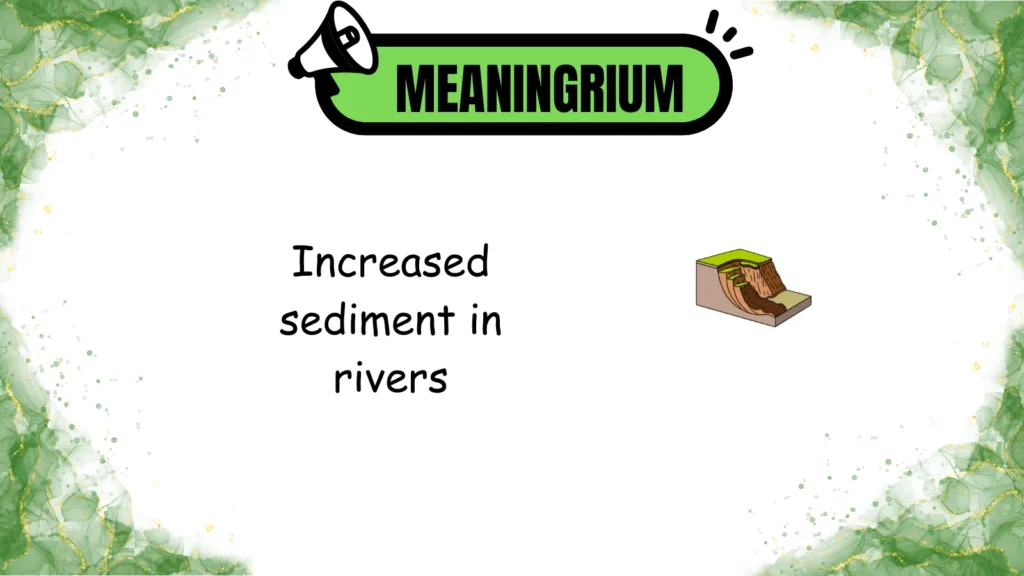
- Increased sediment in rivers
- Falling riverbanks
Recognizing these signs early can help prevent more serious environmental damage.
Examples of Erosion in Conversations
Here are some realistic conversation examples.
Example 1
Person A: Why are they planting so many trees here?
Person B: They’re trying to reduce soil erosion after years of heavy rainfall.
Example 2
Student: What caused this canyon?
Teacher: Millions of years of water erosion carved it out.
Example 3
Friend 1: Why is the beach smaller than last year?
Friend 2: Coastal erosion has removed a lot of the sand.
Example 4
Farmer: My crops aren’t growing as well.
Agricultural Expert: Soil erosion may have removed valuable nutrients.
Common Mistakes and Misunderstandings About Erosion
Many people misunderstand what erosion means.
Mistake #1: Confusing Erosion with Weathering
These terms are related but different.
Weathering
- Breaks down rocks into smaller pieces.
Erosion
- Moves those broken materials elsewhere.
Think of it this way:
- Weathering = breaking
- Erosion = moving
Mistake #2: Thinking Erosion Is Always Bad
Erosion can create environmental challenges, but it is also a natural process that helps shape landscapes.
Many natural wonders exist because of erosion.
Mistake #3: Assuming Only Water Causes Erosion
While water is a major cause, erosion can also result from:
- Wind
- Ice
- Gravity
Mistake #4: Believing Erosion Happens Quickly
Most erosion occurs gradually over long periods.
However, severe storms or landslides can cause rapid erosion.
How to Prevent Erosion
Many strategies help reduce erosion.
Plant Vegetation
Roots help hold soil in place.
Examples:
- Trees
- Grass
- Shrubs
Build Retaining Structures
These may include:
- Retaining walls
- Terraces
- Rock barriers
Improve Farming Practices
Farmers often use:
- Cover crops
- Crop rotation
- Contour plowing
Protect Coastlines
Coastal communities may use:
- Seawalls
- Dunes
- Beach restoration projects
Related Environmental Terms
If you’re learning about erosion, you may also encounter these related terms:
Weathering
The breakdown of rocks and minerals.
Deposition
The process of dropping sediments after they are transported.
Sediment
Small particles of rock, soil, or organic matter.
Runoff
Water flowing across land after rainfall.
Landslide
A rapid downhill movement of soil and rock.
Soil Conservation
Methods used to protect soil from degradation and erosion.
Erosion Meaning on Social Media and Online Discussions
In 2026, the word erosion frequently appears in discussions about:
- Climate change
- Coastal protection
- Environmental conservation
- Sustainable agriculture
- Natural disasters
You may see posts like:
- “Coastal erosion is threatening local communities.”
- “Farmers are fighting soil erosion with new techniques.”
- “Climate change may increase erosion in vulnerable regions.”
Because environmental topics trend regularly online, understanding erosion helps readers follow these conversations more confidently.
Related Terms You Might Want to Learn
If you’re building a glossary of environmental vocabulary, consider reading about:
- Weathering meaning
- Sediment meaning
- Deposition meaning
- Ecosystem meaning
- Conservation meaning
- Climate change meaning
- Sustainability meaning
Internal Linking Suggestions
- Weathering Meaning: What’s the Difference From Erosion?
- Sediment Meaning Explained
- Climate Change Meaning for Beginners
- Conservation Meaning and Examples
- Sustainability Meaning in Everyday Life
Frequently Asked Questions (FAQs)
1. What is the simple meaning of erosion?
Erosion is the process of soil, rock, or land being worn away and moved by water, wind, ice, or gravity.
2. What causes erosion?
Erosion is caused by natural forces such as rain, rivers, wind, glaciers, waves, and gravity.
3. Is erosion good or bad?
Erosion is a natural process, but excessive erosion can damage farmland, ecosystems, and coastlines.
4. What is an example of erosion?
A river slowly washing away its banks is a common example of erosion.
5. How is erosion different from weathering?
Weathering breaks down rocks, while erosion moves the broken materials to another location.
6. Can humans cause erosion?
Yes. Activities such as deforestation, construction, and poor farming practices can increase erosion.
7. Why is soil erosion a problem?
Soil erosion removes nutrient-rich topsoil that plants need to grow.
8. Where is erosion most common?
Erosion commonly occurs near rivers, coastlines, mountains, deserts, and agricultural land.
Conclusion
Understanding the erosion meaning is essential for anyone interested in geography, environmental science, or the natural world.
From shaping mountains and valleys to affecting farms and coastlines, erosion influences many aspects of life on Earth.
While it is a natural process, human activities can accelerate it, making conservation and sustainable land management increasingly important.